Hair Glossing Treatment: What to Expect
Hair glossing costs $40 to $200 in 2026. Discover the benefits and see how it enhances your hair's look with no damage involved.
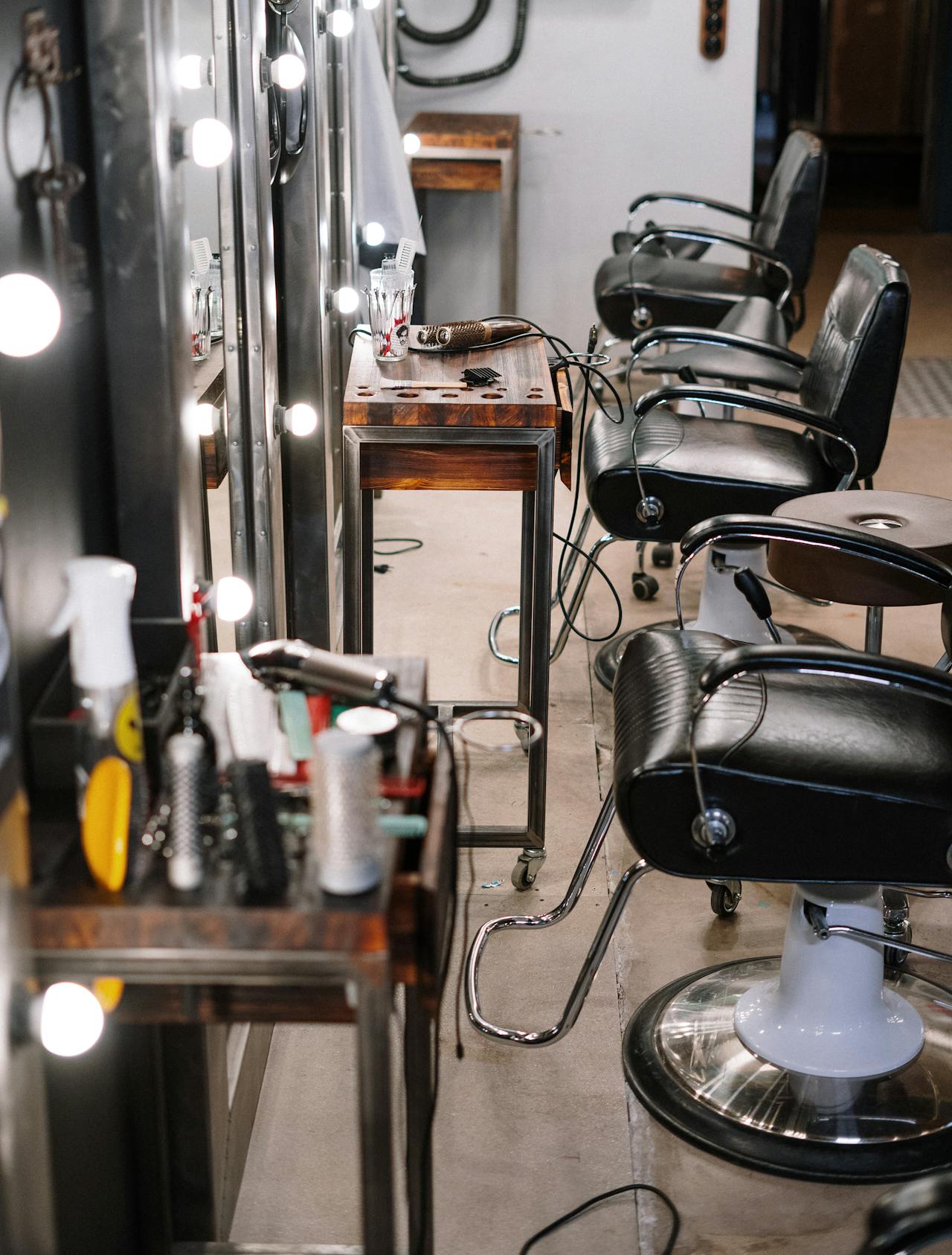
Hair glossing is the spring 2026 salon menu's quiet superstar. It refreshes faded color, smooths the cuticle, adds light-reflective shine, and adds zero damage to the hair shaft. Per Behindthechair.com's 2026 trend report, glossing is one of the dominant services on spring salon menus this year — and it's also one of the most-misunderstood. Here's what hair glossing actually is, what it costs across Zoca's Best Hair Guider network of 1,400+ stylists in 90 US cities, and how to tell a $40 gloss from a $200 one.
What is a hair glossing treatment?
A hair glossing treatment is a semi-permanent hair color service that adds shine, tones brassiness, and refreshes faded color without lifting or depositing significant pigment. Glosses typically last 4 to 8 weeks and are applied either in a clear formula (just shine) or in a tinted formula (subtle tone correction). The treatment uses low-volume developer (5-volume or 10-volume) to seal the cuticle without altering the underlying color.
A standard salon gloss runs $40 to $95 nationally in 2026, with deeper conditioning and bond-protecting glosses reaching $120 to $200.
The five biggest benefits of glossing
1. Instant high-shine finish
A gloss seals the cuticle and creates a mirror-flat surface that reflects light. The visual change is dramatic — a 2025 Wella Professionals study found that consumers rated glossed hair 38% shinier than unglossed hair under the same lighting conditions.
2. Tonal correction without commitment
A pink-toned gloss neutralizes orange. A violet-toned gloss neutralizes yellow. A blue-toned gloss neutralizes copper warmth in brunettes. Because glosses fade gradually, you can experiment with tone without the regrowth line of a traditional color appointment.
3. Zero damage
Unlike permanent color, demi-permanent gloss does not require ammonia and does not lift the cuticle. It's safe to do every 4 to 8 weeks indefinitely.
4. Extends the life of balayage and highlights
A gloss applied 4 weeks after a balayage or highlight service prevents the brassy yellow shift that almost all blondes experience around weeks 5 to 8. This single add-on can stretch a color appointment from 8 weeks to 12, saving hundreds per year.
5. Pairs with bond-builders for healthier hair
Most 2026 in-salon glosses now include Olaplex No. 2, K18, or Redken's Acidic Bonding Concentrate as an add-in step. These bond-builders rebuild damaged disulfide bonds, increasing tensile strength by an average of 60% per a 2024 Olaplex peer-reviewed study.
How much does a hair gloss cost in 2026?
Pricing varies by gloss type and salon tier:
A clear shine gloss costs $40 to $75 at most US salons. A demi-permanent toning gloss runs $55 to $120. A bond-built premium gloss with Olaplex or K18 add-in runs $90 to $160. A color-correcting gloss with custom toner mix runs $130 to $200. Major metros (NYC, LA, San Francisco, Chicago) sit at the top of each range; Midwest and Southern markets sit at the bottom.
How long does a gloss last?
A clear gloss lasts 2 to 4 weeks. A demi-permanent toning gloss lasts 4 to 8 weeks. Frequency of washing, water hardness, and use of clarifying shampoo all affect longevity — clients in hard-water cities like Phoenix, Las Vegas, and Indianapolis often see glosses fade about 25% faster than national average.
Glossing vs. toner — what's the difference?
Toners are a subcategory of glosses. All toners are glosses, but not all glosses are toners. A toner is specifically formulated to neutralize unwanted underlying tones (yellow, orange, brassy red) without changing the overall color level. A gloss can be neutral (clear) or tonal. If your goal is to cancel brassiness after balayage, ask for a "toner gloss." If your goal is high shine, ask for a "clear gloss."
Glossing vs. glaze vs. semi-permanent color
These terms get used interchangeably, but they're not identical. A glaze is a salon-only quick-shine treatment that uses a low-deposit color and a bond-sealer. A gloss includes both glaze functions and tone correction. Semi-permanent color deposits noticeable pigment and lasts 4 to 6 washes. Demi-permanent gloss is the middle ground — light pigment, low-volume developer, 4 to 8 weeks of wear.
At-home glossing — does it work?
Yes, but with limits. Brands like dpHUE Gloss+, Kristin Ess Signature Gloss, and Christophe Robin Shade Variation Care offer at-home gloss treatments at $25 to $40 per box that produce 60 to 75% of an in-salon gloss result. The trade-off is shorter wear (2 to 4 weeks) and less precise tone correction. At-home is ideal for maintaining a salon gloss between appointments — not for first-time corrections.
Aftercare that actually matters
Three habits make a gloss last longer. First, switch to a sulfate-free, color-safe shampoo within 48 hours of application — Pureology Hydrate, Olaplex No. 4, and Redken Color Extend Magnetics are the most-recommended in our network. Second, wash hair with cool water — hot water opens the cuticle and accelerates gloss fade by up to 30%. Third, use a heat protectant spray below 350°F when styling — beyond that temperature, the gloss bond degrades.
For blondes specifically, a purple shampoo (Fanola No Yellow, Redken Color Extend Blondage, or Joico Color Balance) used once or twice weekly maintains the cool tone deposited by a violet-toned gloss.
Who should get a gloss?
Glossing benefits five groups most. First — anyone with balayage or highlights between color appointments. Second — brunettes battling brassy red shift in summer sun. Third — clients with naturally dull or fine hair who want a thickness illusion via shine. Fourth — anyone preparing for an event or photoshoot in the next 7 days. Fifth — clients with bleach-damaged ends who want bond rebuilding.
Who should skip a gloss?
Two groups should skip. First — anyone scheduled for a permanent color service in the same week, since the gloss interferes with how new color deposits. Second — anyone with active scalp irritation or recent chemical relaxer treatment (within 2 weeks).
Finding a gloss specialist
Use Best Hair Guider to find stylists who specifically list glossing or toner services in their portfolios. Look for a Master Colorist credential or a Vidal Sassoon, L'Oréal Professionnel, Wella, or Redken Certified Colorist designation. The bar for a quality 2026 gloss specialist is at least 50 reviews averaging 4.6 stars, plus a portfolio that shows before-and-after gloss work — not just balayage finals.
Final thoughts
Glossing is the highest-leverage, lowest-risk service on the 2026 salon menu. A $60 gloss every 6 weeks adds shine, refreshes color, and protects your hair — for less than the cost of a single full balayage touch-up. If you've never tried one, ask for a clear shine gloss at your next blowout. If you have balayage or highlights, schedule a tinted gloss exactly 4 weeks after your color appointment. Either way, your hair will photograph differently for the next 6 to 8 weeks.
You Might Also Be Interested In
Your wellness journey does not stop at hair styling. Check out these related guides:
Frequently asked questions
How much does a hair gloss cost in 2026?
How long does a hair gloss last?
Does a hair gloss damage your hair?
What's the difference between a gloss and a toner?
Can a gloss extend my balayage between appointments?
Are at-home glossing kits worth it?
How do I make my hair gloss last longer?
Can I get a gloss right after a permanent color appointment?
Who should not get a hair gloss?
What credentials should my gloss specialist have?
Need a provider in your area?
Browse our directory and book directly with local businesses.
Browse the directoryRelated articles
Hair Toner: What to Expect
Expect to pay $25 to $95 for a salon toner in Virginia. Discover what affects the price and compare options for your color upkeep.
Hair Gloss Summer: Benefits, Cost, Shine Results
A salon hair gloss averages $45–$120 and adds 6–8 weeks of shine and color depth. See what to ask for, who it's for, and how long results last.