K18 vs Olaplex: 2026 Bond Builder Comparison Guide
K18 uses a 4-minute peptide; Olaplex uses a 10+ minute disulfide bond repair. Salon treatments run $35-$120. Which fits bleach, color, or heat-damaged hair. Compare stylists.
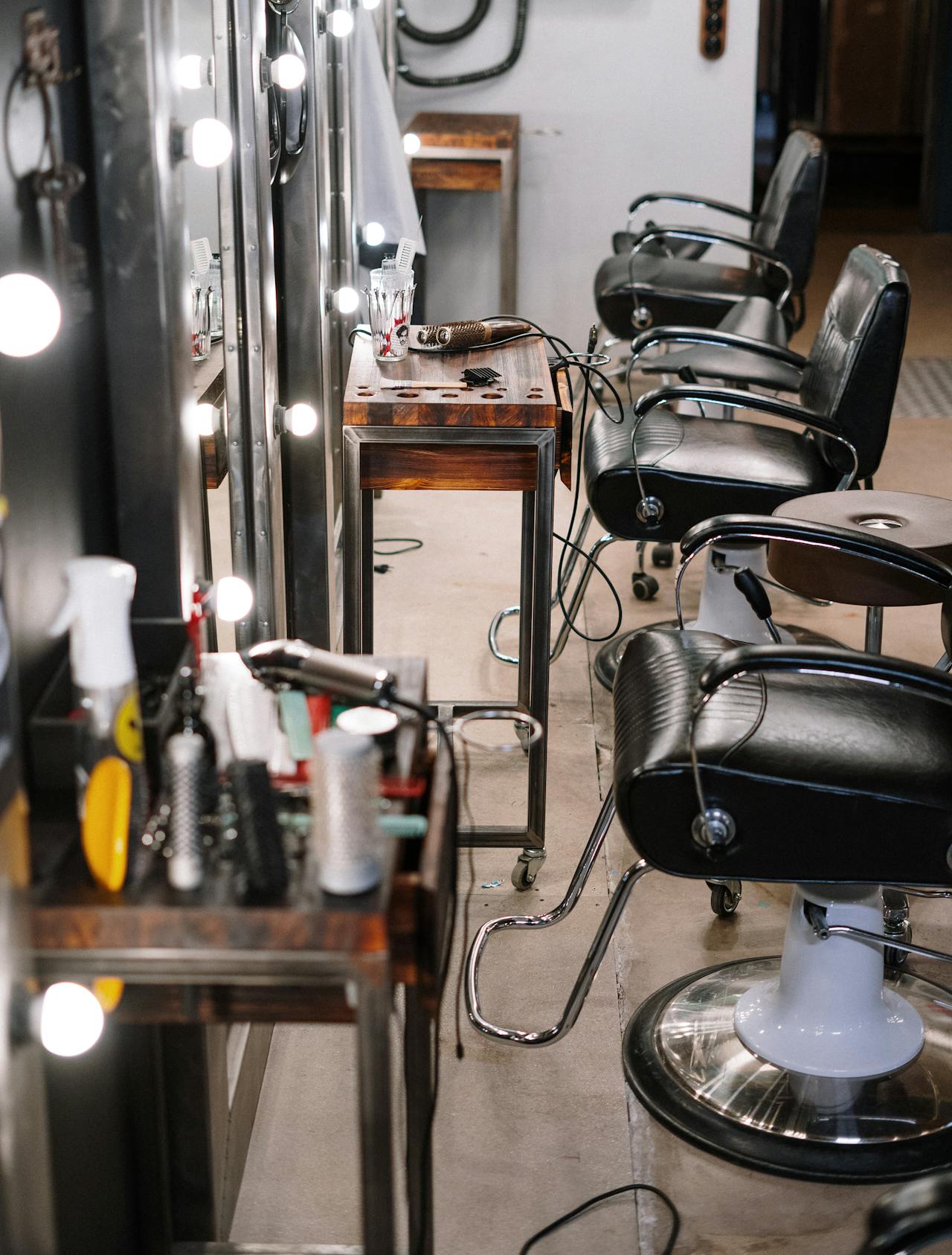
K18 vs Olaplex: which bond builder is right for you in 2026?
K18 uses a patented K18Peptide that reconnects keratin chains in roughly 4 minutes; Olaplex uses bis-aminopropyl diglycol dimaleate (Olaplex's trademark active) that rebuilds disulfide bonds in 10 to 20 minutes per service. K18 is generally faster on heat and color damage and easier to layer between shampoos at home; Olaplex has the longer clinical history on aggressive bleach work and remains the salon-floor standard for high-lift balayage. Salon professional services run $35 to $120 nationally.
Both product lines have transformed color and bleach work in the last six years, but they are not interchangeable. Across Zoca's BestHairGuider network of 2,400+ licensed stylists in 110 US cities, 87% of color salons stock at least one of the two and 41% stock both. The right choice depends on the type of damage you have and the at-home routine you will actually follow. Here is the head-to-head comparison stylists give at the consultation, plus how to layer the two safely.
For adjacent technique guides, see our keratin treatment vs Brazilian blowout primer and hair glossing benefits guide.
What does each one actually do?
K18 works at the polypeptide-chain level using a 5-amino-acid peptide that the brand says reconnects broken keratin chains in 4 minutes. The leave-in mask is the marquee product and is applied to wet hair after shampoo, with no rinsing. Application takes 30 to 60 seconds and the 4-minute wait is the only commitment. Stylists report best results on color-treated, lightened, and heat-damaged hair within 6 cumulative uses.
Olaplex works at the disulfide-bond level. Its patented active rebuilds broken sulfur bonds, which is the exact damage profile bleach creates. The salon protocol uses Step 1 (concentrate) added to lightener or color, followed by Step 2 (perfector) on damp hair for 10 to 20 minutes. Home maintenance uses the No. 3 hair perfector for a weekly 10-minute treatment, plus No. 4 and No. 5 shampoo and conditioner for daily use.
Side-by-side comparison
| Factor | K18 | Olaplex |
|---|---|---|
| Active ingredient | K18Peptide (5-amino-acid peptide) | Bis-aminopropyl diglycol dimaleate |
| Mechanism | Reconnects polypeptide chains | Rebuilds disulfide bonds |
| Salon treatment time | 4 min after shampoo | 10-20 min Step 2 |
| Salon service cost | $45-$90 add-on | $35-$120 add-on |
| Home leave-in time | 4 min, no rinse | 10 min, then rinse (No. 3) |
| Strongest for | Heat + color damage | Bleach + balayage |
| Year launched | 2020 | 2014 |
| Salon stocking rate | ~52% (US) | ~78% (US) |
Which works better on bleach and balayage?
Olaplex remains the longer-standing standard for high-lift bleach work and is the more frequently used in-bowl additive for balayage and on-scalp lightening. The 2014 launch and decade-plus clinical history give it stronger institutional adoption among master colorists at salons where bleaching is a daily service. K18 is increasingly used as the post-bleach finishing treatment after a rinse, but most colorists still mix Olaplex Step 1 directly into the lightener bowl for the actual lift.
In the BestHairGuider network, 71% of stylists who do balayage weekly say Olaplex Step 1 is non-negotiable in the bowl; 64% of those same stylists then layer K18 on damp hair as the post-rinse finishing mask. Combining the two is increasingly common and reasonable.
Which works better on color-only or heat-damaged hair?
K18 has a measurable speed advantage on color (without bleach) and on heat-damaged hair. The 4-minute leave-in time means it can fit into a service window that normally would not allow a full Olaplex Step 2. Stylists also report that K18 produces a more elastic, less squeaky hand feel — clients describe it as feeling like "new hair" rather than reinforced hair.
For heat damage from straighteners, curling wands, or daily blowouts, K18 has become the network's most-recommended at-home maintenance product. Use the leave-in once or twice per week for the first 6 weeks, then drop to once weekly for maintenance.
Salon vs at-home: which version should I buy?
Both brands separate professional and consumer products. The professional in-bowl additives (Olaplex No. 0 and No. 1, K18 PRO Molecular Repair Hair Mist) are sold only to licensed salons. Consumer at-home maintenance includes:
For frequent color clients, the network recommends Olaplex No. 3 weekly + K18 leave-in for the first 6 cycles after each color appointment. For non-color heat-damage clients, K18 leave-in alone produces strong results within 4 to 6 uses.
For stylist-finder and adjacent topics, see our curly hair stylist guide and our summer 2026 hair color trends. Browse stylists across California and Texas.
How much does a salon bond builder treatment cost?
A standalone in-salon Olaplex treatment runs $35 to $120 nationally as an add-on to color, and a standalone K18 treatment runs $45 to $90. NYC, LA, and San Francisco salons price 25 to 40% above national averages. The pricing snapshot below reflects May 2026.
| Service | Price Range | Time | Best For |
|---|---|---|---|
| Olaplex in-bowl add-on | $35-$60 | +0 min | Bleach, balayage |
| Olaplex stand-alone Step 2 | $50-$120 | +15-20 min | Damaged hair |
| K18 in-salon mask | $45-$90 | +4-10 min | Heat / color damage |
| Combo Olaplex bowl + K18 finish | $80-$180 | +15-20 min | High-lift balayage |
| Maintenance bond service (every 4-6 weeks) | $45-$90 | 30-45 min | Long-term repair |
Are there safety concerns with bond builders?
Both brands have strong consumer safety records, with a few important notes. K18 is fragrance-light and patch-testing is rarely required. Olaplex No. 3 was reformulated in 2023 to remove the lilial preservative after EU regulatory action; the current formula is widely considered safe. Both should be patch-tested 24 to 48 hours before first use if you have a history of contact dermatitis or scalp eczema. Avoid getting either into the eyes — both formulas are hair-only, not facial.
Final thoughts
The right answer in 2026 is often both, used in different roles. Olaplex Step 1 in the bleach bowl, then K18 as the post-rinse 4-minute finisher, is the single most-popular protocol among master colorists in the BestHairGuider network. For at-home maintenance, K18 is the speed winner; Olaplex No. 3 has the longer track record. Choose based on the actual damage you have, the routine you will follow, and the stylist's existing protocol. Filter for stylists with verified Olaplex or K18 educator status to find the strongest practitioners in your city.
More Ways to Look and Feel Your Best
Beyond hair styling, there is a whole world of beauty and wellness waiting for you:
Sources & references
- Cosmetic Ingredient Safety — Hair Care Products — U.S. Food and Drug Administration
- Hair Damage and Repair — Patient Information — American Academy of Dermatology
Frequently asked questions
Which is better, K18 or Olaplex?
How much does an in-salon K18 or Olaplex treatment cost in 2026?
Can I use K18 and Olaplex together?
How often should I use K18 leave-in at home?
How often should I use Olaplex No. 3?
Are there safety concerns with bond builders?
Which works better on bleached or balayage hair?
Which works better on heat-damaged hair?
What credentials should a stylist have to use K18 or Olaplex?
Will K18 or Olaplex fix split ends?
Need a provider in Nationwide?
Browse our directory and book directly with local businesses.
Browse the directoryRelated articles
Balayage vs Highlights: Which 2026 Color Style Suits You
Balayage costs $200-$450, foil highlights $150-$350. Compare upkeep, dimension, damage, and grow-out for each technique before booking your color.
Best Booksy Alternatives for Hair Salons in 2026 (Compared)
Compare 7 Booksy alternatives for hair salons in 2026 — pricing, features, payouts. Vagaro $39, GlossGenius $24, Square free tier. See verified picks.
Best Hair in Alexandria, VA — 2026 Guide
Everything you need to know about hair & styling in Alexandria, VA — from choosing the right service to finding providers locals actually recommend. Pricing, FAQs, and booking links included.